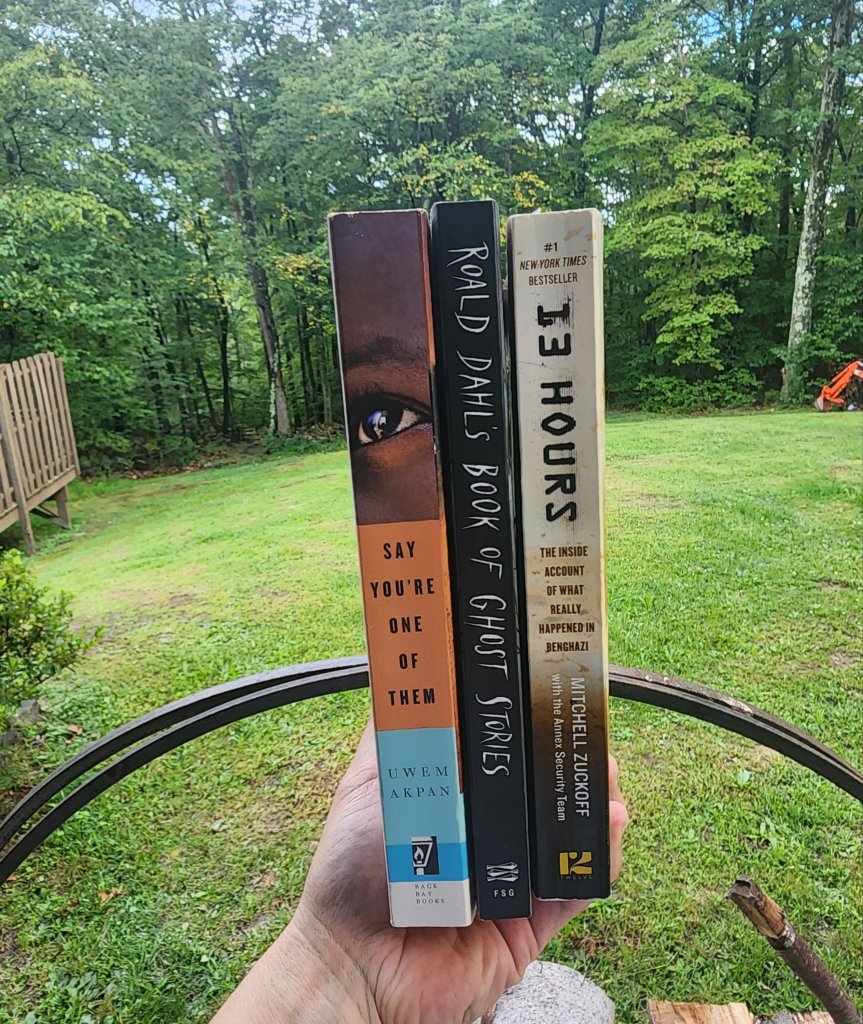
Since starting this blog, I’ve read several posts (specifically on bookstagram) that bookstagrammers should not tag authors in “bad” reviews.
And I guess I have the unpopular opinion (that I’ve rarely seen voiced from others) that reviewers should be free to tag authors in bad or negative reviews.
Even if tagging an author goes directly to where the author can see it, here are my arguments regarding that:
- People used to email their thoughts to authors (and mailed letters) before social media (and still do – I know, because I email some authors)
- Everyone gets comments (in person) or messages at some point in their life that they may not like, and they’ll have to deal with that
- It’s the author’s choice to read the review or not – Joe Rogan says on his podcast all the time that he doesn’t read the comments on his posts. That’s up to the content creator’s discretion if they read messages sent to them or not.
- Having a social media account as someone who is publicly publishing any kind of work, you have to be able to deal with any criticism or messages that are sent directly to you. Whether that be ignoring and deleting them, cherry picking one’s messages, reading them critically…and there are even more options.
Social media and having the ability to post reviews online has given us a great opportunity to have more direct contact with customers and content consumers. I believe it’s actually a disservice to an author if people do not use social media to its potential regarding art in written form. Obviously there are always critics whose thoughts are unhelpful.
But the argument that a reviewer doesn’t know where the author is emotionally or that a bad review could ruin the author’s entire day is absolutely ridiculous. Not that people shouldn’t be kind to one another. That doesn’t mean an author can’t expect criticism if they’re going to be putting any work out publicly. It is not the reviewer or consumer’s fault if their thoughts on a book ruin the author’s emotional state for any amount of time because the author is responsible for their own emotional health.
Just as well, an author added unsolicited advice within this discussion. This is along the same lines. Let’s think of a scenario – someone receives unsolicited advice from a relative in person. Does this person allow that unsolicited advice to ruin their entire day?
The person receiving any criticism [or unsolicited advice] chooses their own reaction. Whether or not the critic or advisor knows what the effect or their views is, the receiver has control of their own emotions and, therefore, their reaction.
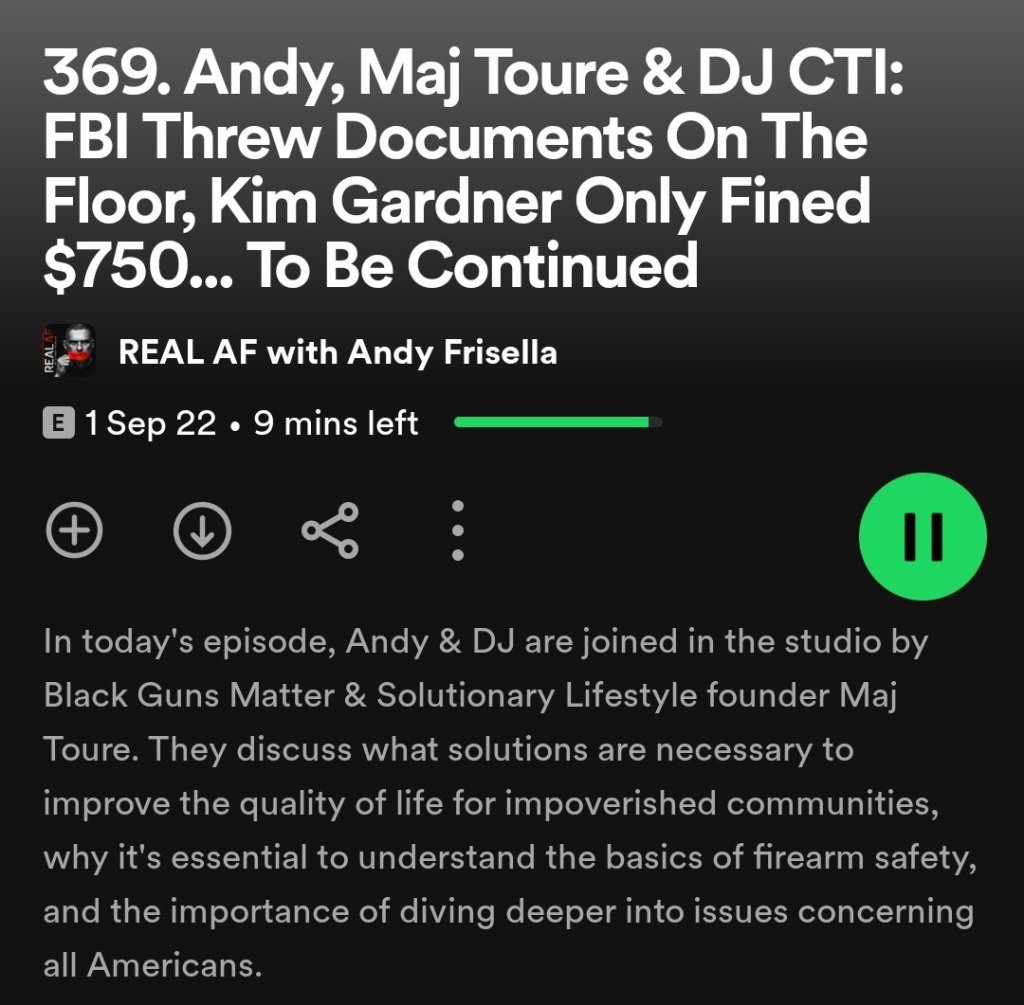
Also, what amazing timing. In thinking through this “unpopular opinion” and listening to Real AF with Andy Frisella, he just summarized some of my thoughts on this. Around 1 hour and 30 minutes into this episode (the exact beginning that I’m looking for is at 1:26:52 for anyone who’s curious), he discusses how no one can please everyone. Which is definitely a part of this discussion.
Read on and kick some ass this week.
 Alessandra is reading...
Leave a comment